
Ways to Prevent Sports Injuries in Young Basketball Players
Basketball is fast-paced. Players sprint, jump, stop suddenly, change direction, and make contact with other players. While injuries can happen in any sport, good preparation and healthy habits can help reduce the risk.
For young athletes, one of the most important goals is learning how to take care of their bodies while they develop as basketball players.
Always Warm Up
Going directly from sitting in class or riding in the car to sprinting around a basketball court isn’t ideal.
A good warm-up gradually gets your body ready to move.
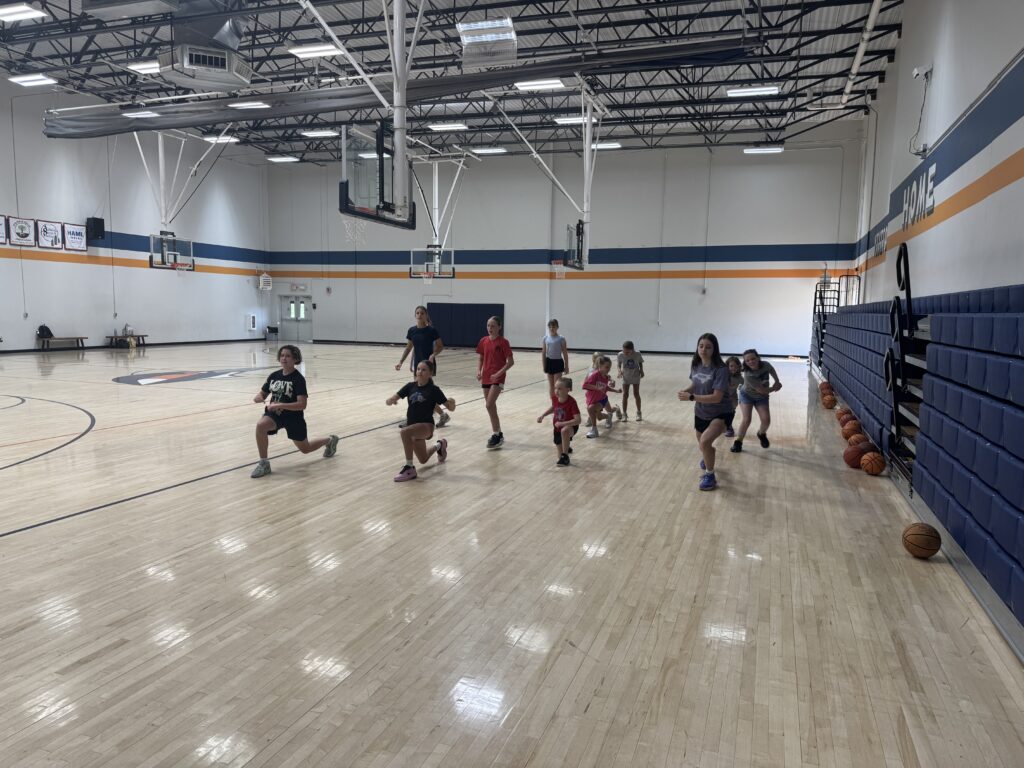
Before playing, include movements such as light jogging, high knees, butt kicks, defensive slides, lunges, and other dynamic stretches.
Save longer static stretching for after activity rather than making it the main part of your pre-basketball warm-up.
Build Strength
Basketball players benefit from strength throughout the entire body—not just their legs.
Age-appropriate strength work can help players improve stability, balance, coordination, and control.
Bodyweight exercises such as squats, lunges, planks, push-ups, and controlled single-leg movements are great places to start. When using weights, athletes should learn proper technique and follow appropriate supervision.
Wear Proper Basketball Shoes
Basketball involves a lot of quick stops and changes in direction.
Wear athletic shoes that fit properly, provide good traction, and are appropriate for basketball. Replace shoes when they become excessively worn or lose traction.
Don’t Ignore Pain
There’s a difference between being tired after a hard practice and experiencing an injury.
Players shouldn’t feel like they have to hide an injury to prove they’re tough.
If something hurts, tell a parent, coach, athletic trainer, or another responsible adult. Continuing to play through an injury can sometimes turn a small problem into a much bigger one.
Rest Matters
Improvement doesn’t only happen while you’re practicing.
Your body also needs time to recover.
Sleep, hydration, good nutrition, and recovery days are all part of being an athlete. More basketball isn’t automatically better if your body never gets a chance to recover.
Increase Activity Gradually
Going from very little activity to intense basketball five or six days a week can put unnecessary stress on the body.
That’s another reason preseason activity is helpful. Pickup games, conditioning, skill work, and strength training can gradually prepare players for the demands of the season.
Speak Up
If you feel dizzy, unusually weak, experience significant pain, hit your head, or simply feel like something isn’t right, tell an adult.
There will always be another drill, practice, or game. Taking care of your health comes first.